A Practical Guide to Linen Care: Extending the Life of Your Weave
A thoughtful, editorial-grade guide that marries the science of linen fibers with practical routines for bedding and home textiles. From historic craft to modern sustainability, linen endures by asking for attentive care, not harsh treatment.
Linen, long celebrated for its breathability and natural texture, is more than a fabric. It is a material that gains character with each wash, softening and draping in ways that cotton and synthetics often cannot. As a fiber sourced from flax, linen carries a legacy of European textile heritage, where artisans have perfected a balance of strength, irregular texture, and cooling comfort that suits many climates and aesthetics. The goal of this guide is to provide a practical, trustworthy roadmap for caring for linen bedding and linen-infused textiles—whether you’re tending a duvet cover woven in Portugal, a flax linen pillowcase from Belgium’s linen lineage, or a simple organic linen sheet that forms the backbone of your sleep rituals.
In this era of heightened awareness around sustainability, linen’s durability stands out. Proper care extends the life of fibers, reduces waste, and preserves color, texture, and function. In the following sections, we delve into the science of linen, essential care steps, and maintenance ideas that keep your textiles looking and feeling like new—long after the first wash, and as many seasons pass as your linen wardrobe evolves.
1) Understanding Linen: Properties That Shape Care
Linen is renowned for several defining properties: its breathability, moisture-wicking capability, and a natural stiffness when new that relaxes with use. The fiber’s micro-structure enables air to pass through the weave with ease, offering a cooling effect in warm conditions and a reliable buffer against humidity. Linen also has a “memory” of stiffness that softens as it’s laundered and worn, which is why stone-washed or pre-washed linen often feels instantly more comfortable.
From a materials science perspective, linen fibers are relatively long, strong, and less prone to pilling than many cotton blends. They respond well to gentle agitation, avoid extreme heat, and benefit from careful color management. These traits influence how we wash, dry, and store linen to preserve its texture and hue across years of use.
2) Washing: The Core Routine
Washing is where linen’s character begins to reveal itself. The fundamental rule is simple: use a gentle cycle, cool-to-warm water, and a mild, phosphate-free detergent. High heat can gradually weaken flax fibers, reduce elasticity, and dull color. If you own organic or natural-linen bedding, you’ll notice that the fabric often benefits from a slightly longer soak or a careful pre-wash to soften the weave and accelerate the “lived-in” feel that linen is celebrated for.
A practical routine for most linen sheets, pillowcases, and duvet covers includes:
- Sort by color and texture to avoid dye transfer; wash light colors separately from darker hues.
- Use a gentle detergent and avoid fabric softeners, which can leave residues that reduce breathability.
- Wash in water no hotter than 40°C (104°F); higher heat can cause fiber fatigue over time.
- Rinse thoroughly to remove all soap residues that might irritate the skin or cause stiffness.
Post-wash care matters as well. If possible, air-dry linen and avoid high-heat tumble drying, which can set wrinkles and reduce fiber flexibility. When you must tumble dry, select a low heat setting and remove promptly to minimize wrinkling. A light iron while still slightly damp helps to reset the weave and restore a crisp, refined surface that linen textures are known for.
3) Drying, Wrinkles, and Texture
Linen’s natural texture can appear more pronounced when it’s line-dried. That texture is a feature, not a flaw. If you prefer a smoother feel, a brief, cool tumble with a quick remove-and-fold approach can yield a more polished finish. The key is to avoid over-drying, which can make fibers stiff and brittle rather than supple. If you prefer the honest, casual crinkle of linen, embrace it—it’s part of linen’s beauty and environmental ethic.
Special note on stone-washed or pre-washed linen. Garments and textiles that have undergone stone washing or enzymatic pre-washing may feel softer from day one. This pre-conditioning reduces the work of breaking in the fabric, but the same care principles apply: use mild detergents, cool water, and gentle cycles to extend their life.
4) Storage and Long-Term Care
When storing linen, keep it clean and dry. Avoid damp basements or humid spaces that invite mold or mildew. A breathable cotton bag or a well-ventilated drawer helps preserve the fabric’s integrity. For seasonal linen wardrobes, ensure textiles are fully dry before storing to prevent mustiness. A light, plant-based softener or a small sachet of dried lavender or rosemary can provide a pleasant scent without compromising the weave or breathability.
Finally, consider linen’s lifecycle as a whole. Linen’s environmental footprint, from flax cultivation to spinning and weaving, is notably favorable when compared to many synthetics. Long-lasting textiles, cared for with kindness, can serve your home for many seasons—an enduring value in a world of fast fashion and disposable fabrics.
5) Real-World Scenarios: Care Plans for Common Linen Items
Bedding sets, such as Naturepedic Organic Linen Sheets, Luna Flat Sheets, and Layla Linen pieces, each bring their own weave shapes and finish. While the fibers share core properties, the care approach should recognize fineness of weave, any dye, and finishing chemicals used by brands. For example, flat sheets with a smooth sateen finish may respond differently to washing with hardy detergents compared to a loose, naturally textured linen used in rustic bed ensembles.
A practical care plan for such items could look like this:
- Pre-wash new linen once to encourage any irregularities to soften and to set dye uniformly.
- During first few washes, consider washing separately for color-fastness tests; monitor for any linting or color transfer.
- Rotate linen sets with other textiles to avoid repeated, intense washing on a single fabric, prolonging color and texture life.
6) A Look at Linen in Context: Style and Sustainability
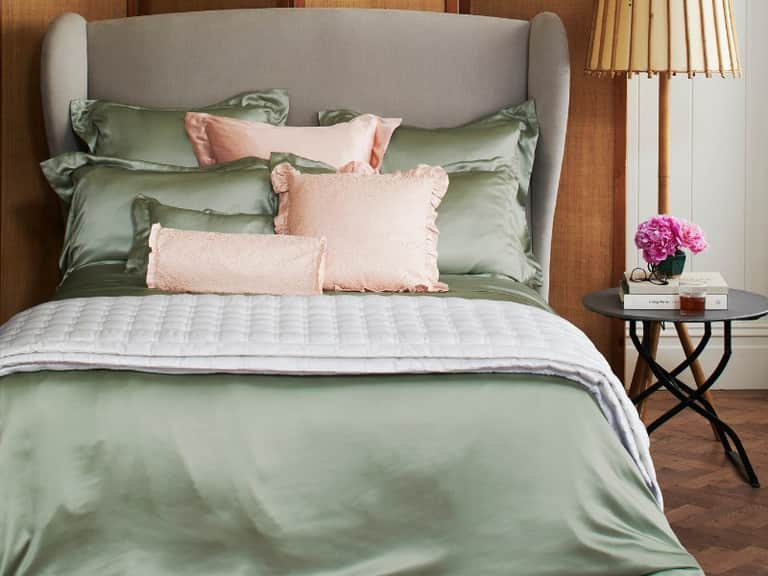
Linen’s tactile integrity pairs well with a modern, daylight aesthetic, a nod to its natural roots. Its presence in a bedroom—whether in a duvet cover finished with a refined linen texture or a pillowcase that offers a cool, skin-friendly surface—bridges craft simplicity with contemporary design. The environmentally aware consumer recognizes linen’s durability against fast wear and tear, its reduced need for synthetic processing, and the long life it affords textiles and interiors alike. In a time when materials matter as much as aesthetics, linen stands as a quiet assertion of quality and responsibility.
7) A Short Portrait Gallery: Three Key Figures Across Time
To illuminate linen’s enduring journey, consider the lives of three individuals who, in distinct eras, understood textiles as more than functional fibers—they were cultural statements and instruments of daily life.
- Thomas Jefferson (1743–1826) — An inventor and statesman whose era bridged colonial craftsmanship with early American industrialism, Jefferson valued the practical learning of textile arts as a cornerstone of domestic life. Linen, as a household staple, represented both comfort and national self-sufficiency. His correspondence and private collections reflect a culture that prized linen’s utility and its role in shaping a refined home, a symbol of enduring civility.
- Le Corbusier (Charles-Édouard Jeanneret, 1887–1965) — A doyenne of modernist design who reimagined space, light, and material surfaces. Le Corbusier championed textiles as integral to architecture’s human scale. Linen’s natural feel and breathability align with his philosophy of human-centric spaces where materials respond to climate and everyday life. His approach to interiors—clean lines, honest materials, and tactile warmth—echoes in today’s linen-forward bedrooms, where texture and airiness define calm.
- Katsushika Hokusai (1760–1849) — Though known primarily for woodblock prints, Hokusai’s era celebrated textile arts in everyday life, with linen and flax among favored fibers in Edo-period Japan and beyond. Linen’s subtle textures and muted palettes provided a refined interface between fashion, furnishings, and garden aesthetics—an early example of how textiles shape the atmosphere of a home and its connection to nature.
8) Toward a Sustainable Linen Routine: Summary Takeaways
A practical linen care regimen respects the fiber’s gentle nature and its storied lineage. Wash with care, avoid harsh heat, embrace the texture, and store judiciously. Whether you’re investing in Naturepedic Organic Linen Sheets or layering a Sage Silk Pillowcase in your nightly routine, your textiles reward patience, mindful usage, and consistent care. Linen is more than a fabric—it is a living thread through time, able to adapt to modern life while remaining faithful to its sustainable, artisanal roots.
9) A Final Note on Brand and Care Innovations
As linen continues to intersect with contemporary design, we see innovations in pre-washed textiles, fiber blends with linen’s breathability, and dye technologies that respect the fabric’s natural character. Brands such as Naturepedic and Layla Linen have helped bring these conversations into everyday bedrooms, offering textiles that balance function with aesthetics. A mindful approach to care ensures that these innovations endure, just as linen has endured for centuries—through care, not coercion; through patience, not waste.
In closing, your linen deserves careful attention. By understanding its properties, adopting gentle washing, treating texture with respect, and storing thoughtfully, you extend not only the life of a textile but the very quiet confidence of a home well curated. This is the essence of linen care: a ritual that honors craft, preserves color and texture, and sustains the small pleasures of daily life.
Editorial Product Spotlight
Among linen- and silk-integrated options, the Sage Silk Pillowcase stands out as a tactile bridge between materials, combining the cooling, hypoallergenic properties of 100% mulberry silk with a refined knife-edge envelope closure. We highlight this product for its compatibility with a linen-forward sleep environment: cool-dry nights, skin-friendly surfaces, and a fabric that ages gracefully with use. Read more and view details below.
Sage Silk Pillowcase
Woven from 100% mulberry silk, 19 momme, with a knife-edge envelope closure; naturally temperature regulating and hypoallergenic to care for skin and hair.
Price: $155.00
Care: Machine wash delicate cycle at 30°C; air dry; cool iron. Wash pillowcases inside out recommended.