Blankets and quilts add warmth, texture, and flexible layering to a bedroom. They can be used over sheets as a light covering, placed beneath a duvet for extra insulation, or folded across furniture as a decorative accent. Their weight, material, and construction influence comfort, warmth, and suitability for different seasons.
In bedding, blankets generally provide a soft, adaptable layer, while quilts often have stitched or structured layers that help distribute filling and retain warmth. Choosing between them depends on climate, sleeping preferences, and how the bed is layered with sheets and pillows. Breathability, drape, and care requirements are useful factors to consider.
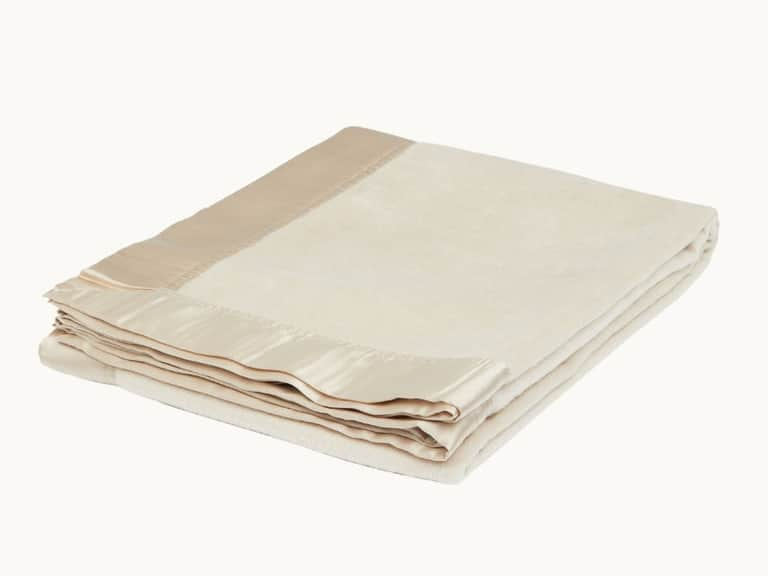
The Silk Biscuit Blanket is a silk bedding layer whose name reflects a distinctive biscuit-like appearance. Silk is valued for its smooth feel and fluid drape, making this blanket relevant for comfortable layering and adding visual texture. Its flexible use can suit a bed or serve as a soft accent over furniture.
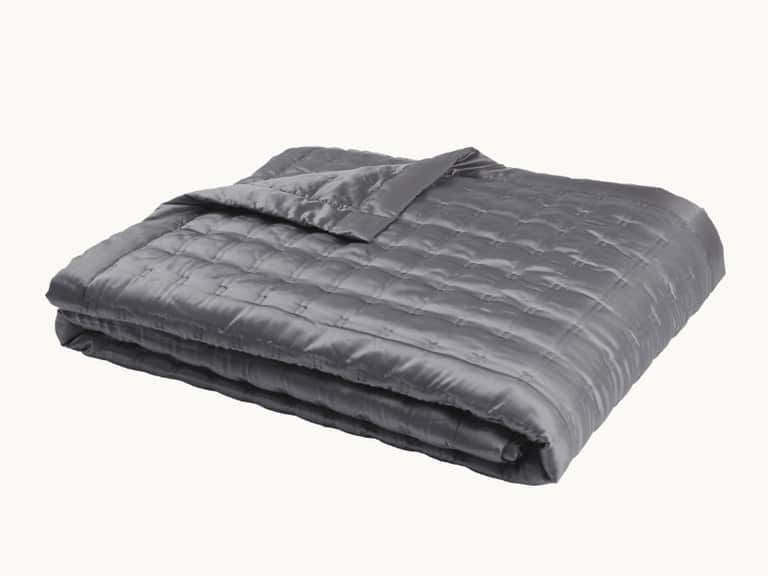
The Windsor Silk Coverlet - Charcoal is a silk coverlet in a deep charcoal shade. Coverlets are typically used as a lighter top layer over sheets or other bedding, providing a neat, finished appearance without the bulk of a heavy comforter. Its silk construction offers a smooth surface and graceful drape.
When assessing blankets and quilts, consider material, thickness, dimensions, and how each piece works with existing bedding. Lightweight silk layers can complement sheets and pillows while adapting to changing temperatures. For travel, compact blankets may pair with travel pillows, while coordinated textures and colors can connect bedroom linens with surrounding furniture.
 Bedding